Why Most Users Watch Facebook Videos on Mute (and How to Fix It)
Statistics on muted video viewing behavior and practical solutions including captions, text overlays, and transcription-based content.
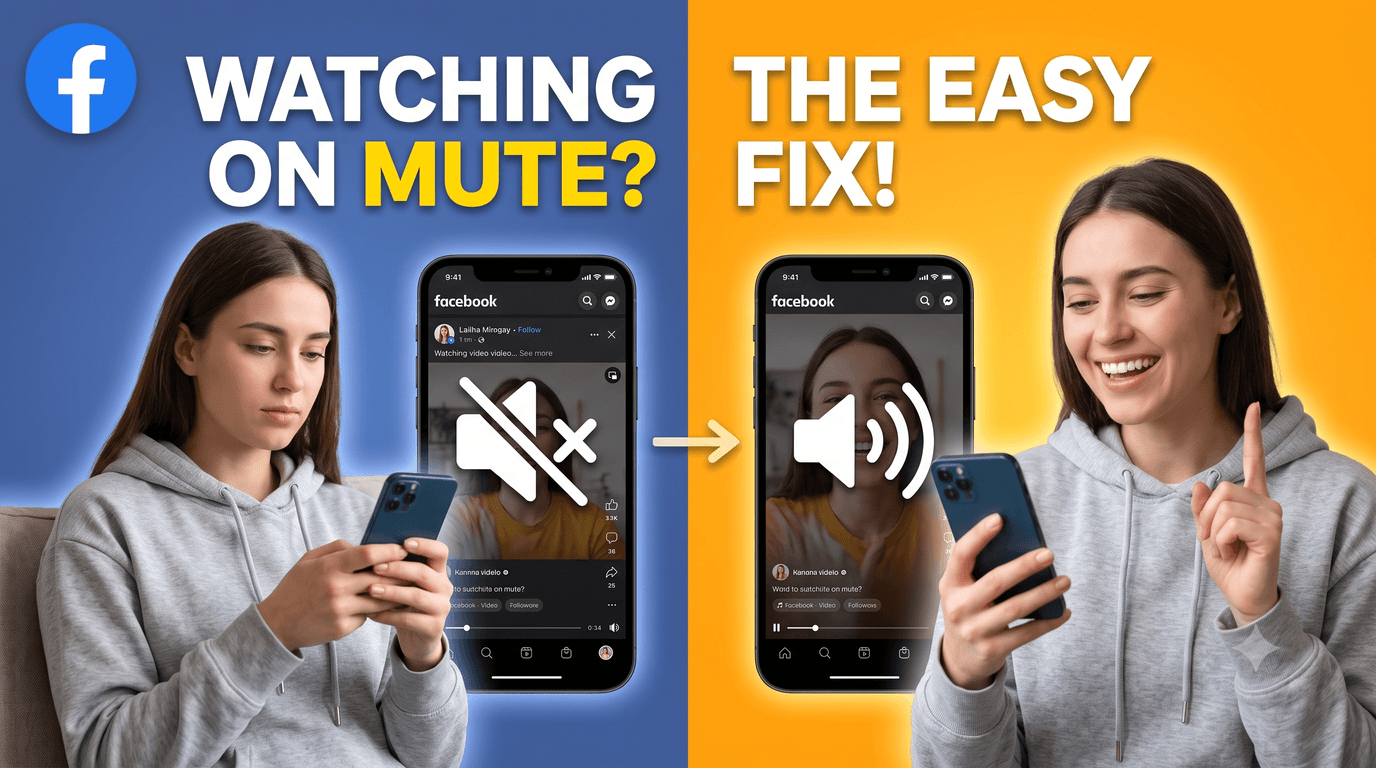
Introduction
Why Most Users Watch Facebook Videos on Mute (and How to Fix It) is a topic that many social media managers, content creators, and transcription professionals encounter regularly. Understanding the best approaches and tools available can save significant time and improve the quality of your output. This comprehensive guide covers everything you need to know about this topic, from basic concepts to advanced techniques.
Whether you are a seasoned professional or just getting started with video transcription, this article provides actionable steps and practical advice that you can implement immediately. We have organized the content into clear sections that address the most common questions and challenges people face.
The growing importance of video content across social media platforms means that transcription skills and tools are more valuable than ever. Facebook alone hosts billions of video views daily, and converting that spoken content into text opens up enormous opportunities for content repurposing, accessibility improvement, and search engine optimization.
Key Takeaway
This guide walks you through the complete process step by step. Use our free tool at the top of the page to get started immediately - just paste any Facebook video URL and get your transcript in seconds.
Why This Matters for Content Creators
Content creators who leverage video transcription gain a significant competitive advantage. By converting video content into text, you multiply the value of every piece of content you produce. A single video can become a blog post, a series of social media updates, an email newsletter, a section of an ebook, or a set of shareable quote graphics.
The time investment required for transcription has dropped dramatically with the advent of AI-powered tools. What once required hours of manual typing or expensive professional services can now be accomplished in minutes with free online tools. This democratization of transcription technology means that every creator, regardless of budget, can benefit from text versions of their video content.
Beyond repurposing, transcripts improve the discoverability of your content. Search engines cannot watch or listen to videos, but they can index text. By publishing transcripts alongside your videos, you give search engines the content they need to rank your material for relevant queries, driving organic traffic to your pages.
Step-by-Step Process
Follow these steps to get the best results for your specific situation. Each step builds on the previous one, so we recommend following them in order for your first attempt. Once you are comfortable with the workflow, you can adapt it to your specific needs and preferences.
Step 1: Prepare Your Source Material
Start by identifying the specific video content you want to work with. Ensure the video is publicly accessible if you plan to use URL-based transcription tools. Check the audio quality by playing the video and listening for clarity, background noise, and speaker enunciation. Videos with clear audio will produce the most accurate transcripts.
Step 2: Choose Your Transcription Method
Select the transcription approach that best fits your needs. For speed and convenience, AI-powered tools like Facebook to Transcript are ideal. For maximum accuracy on critical content, consider manual review of an AI-generated transcript. For bulk processing, establish a systematic workflow that lets you process multiple videos efficiently.
Step 3: Process and Review
Run the transcription and review the output carefully. Pay special attention to proper nouns, technical terms, numbers, and any content that sounds context-dependent. Make corrections as needed and save the final version in your preferred format.
Step 4: Implement and Distribute
Put your transcript to use. Whether you are adding captions to videos, creating blog posts from transcripts, building FAQ pages, or improving accessibility, take the final step of actually implementing the text content where it will provide value.
Quick Process Overview
- Copy the Facebook video URL from your browser
- Paste it into the transcription tool above
- Click "Transcribe" and wait for AI processing
- Review, edit, and download your transcript
Best Practices and Tips
- Start with quality audio: The quality of your transcription output is directly tied to the quality of the input audio. Invest in good microphone technique and quiet recording environments whenever possible.
- Select the correct language: When using AI transcription tools, manually selecting the spoken language rather than relying on auto-detection typically produces better results, especially for content with specialized vocabulary.
- Review and edit: No automated system is perfect. Always allocate time to review transcripts for accuracy, particularly for names, numbers, technical terms, and context-dependent phrases.
- Organize your files: Develop a consistent naming convention and folder structure for your transcripts. This makes it easy to find specific content later and maintain an organized archive.
- Repurpose strategically: Plan ahead for how you will use your transcripts. Different output formats (TXT, SRT, VTT) serve different purposes, so consider downloading multiple formats when available.
- Maintain consistency: If you transcribe content regularly, establish a standard workflow that you follow each time. Consistency in your process leads to better results and more efficient production.
Common Mistakes to Avoid
Understanding common pitfalls helps you avoid wasting time and producing subpar results. Here are the most frequent mistakes people make in this area:
- Skipping the review step: Even the best AI transcription will have some errors. Publishing unreviewed transcripts can include embarrassing mistakes that damage your credibility.
- Ignoring audio quality: Attempting to transcribe videos with very poor audio quality produces frustrating results. If the audio is unclear to human ears, it will be unclear to AI as well.
- Using the wrong format: Choosing TXT when you need timed subtitles, or SRT when you just need plain text for a blog post, adds unnecessary work. Choose the right format from the start.
- Not respecting copyright: Just because a video is publicly accessible does not mean you have unlimited rights to its content. Understand fair use limitations and respect content creators rights.
- Overlooking accessibility: If you are creating captions, ensure they follow accessibility best practices including proper timing, readable formatting, and accurate representation of spoken content.
Advanced Techniques
Once you have mastered the basics, consider these advanced approaches to get even more value from video transcription:
- Batch processing: Develop a system for transcribing multiple videos in sequence, allowing you to process an entire content library efficiently.
- Template creation: Build templates for common transcript-to-content transformations. For example, create a blog post template that you can quickly fill with transcript content.
- Cross-platform repurposing: Plan your content strategy so that a single video transcript feeds content across Facebook, LinkedIn, Twitter/X, your blog, email newsletter, and other channels.
- Analytics integration: Track the performance of content created from transcripts compared to content created from scratch. This data helps you refine your approach over time.
- Team workflows: If working with a team, establish clear handoff points and quality checks in your transcription workflow. Use shared naming conventions and storage locations.
Frequently Asked Questions
What is the best way to approach why most users watch facebook videos on mute (and ?
The most efficient approach is to use an AI-powered transcription tool that can process your Facebook video in minutes. Simply copy the video URL, paste it into the tool, select the language, and download your transcript. For best results, choose videos with clear audio and select the correct language before processing.
Is this process completely free?
Yes, the transcription tool is completely free with no signup required, no hidden fees, and no usage limits. You can transcribe as many Facebook videos as you need without any cost.
What output formats are available?
You can download your transcript in three formats: TXT (plain text for content repurposing), SRT (subtitle file with timestamps for video captioning), and VTT (web video text tracks for online players). Each format serves a different purpose.
How accurate are the results?
Accuracy typically ranges from 92 to 98 percent for videos with clear audio and single speakers. Factors that can reduce accuracy include background noise, multiple overlapping speakers, heavy accents, and poor audio recording quality.
Ready to Convert Your Facebook Videos to Text?
Use our free AI-powered tool to transcribe any Facebook video in seconds.
Try the Free Transcription Tool